
Every stage.
Every thread.
Explore how a fabric moves from an initial brief to finished rolls, with photographs from the Liontex factory and material details.
Liontex’s published manufacturing story highlights twisting and weaving, sizing and finishing. This extended guide explains the wider textile journey; weaving and knitting are alternative routes, and the operations for an individual order are confirmed with the team.
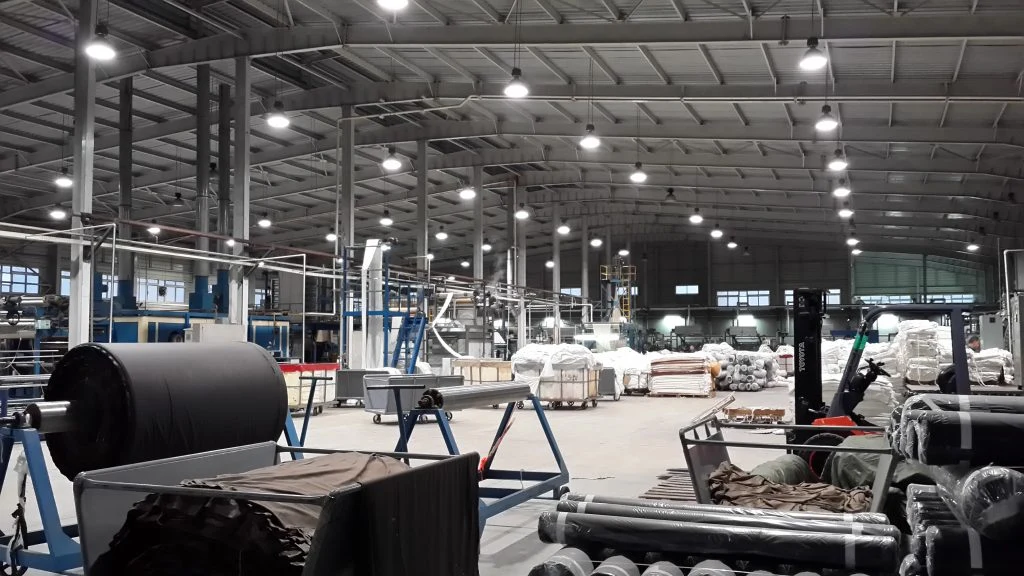
Liontex factory interior
Yarn selection & preparation
Set the character at the source.
Fibre choice, yarn size and twist influence the direction of a fabric. A useful starting brief defines the intended handle, appearance and garment use before selecting the production route.
Agree the composition and yarn reference against the sample.

Fabric moving through equipment at Liontex
Warp preparation & sizing
Prepare the lengthwise yarns.
For a woven route, yarns are arranged for the loom. Where required, sizing adds protection to help them withstand friction during weaving. Not every construction needs the same preparation.
Confirm the woven construction and suitable preparation route.
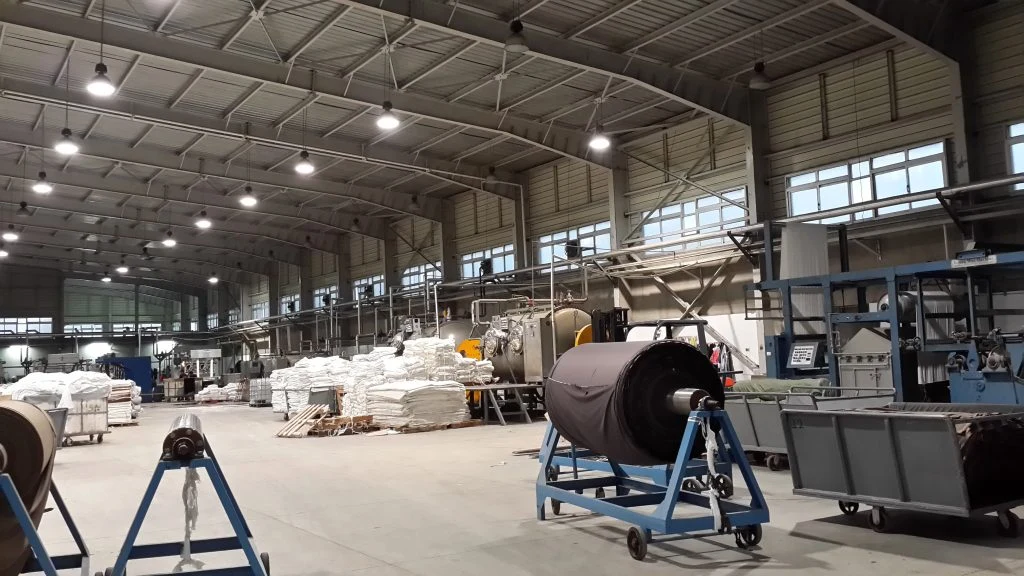
Production floor at Liontex
Twisting & weaving
Create the fabric structure.
Warp and weft are brought together on the loom. The weave arrangement helps establish the fabric’s surface and body; yarn twist can also contribute to texture.
Review construction, usable width and the intended fabric hand.
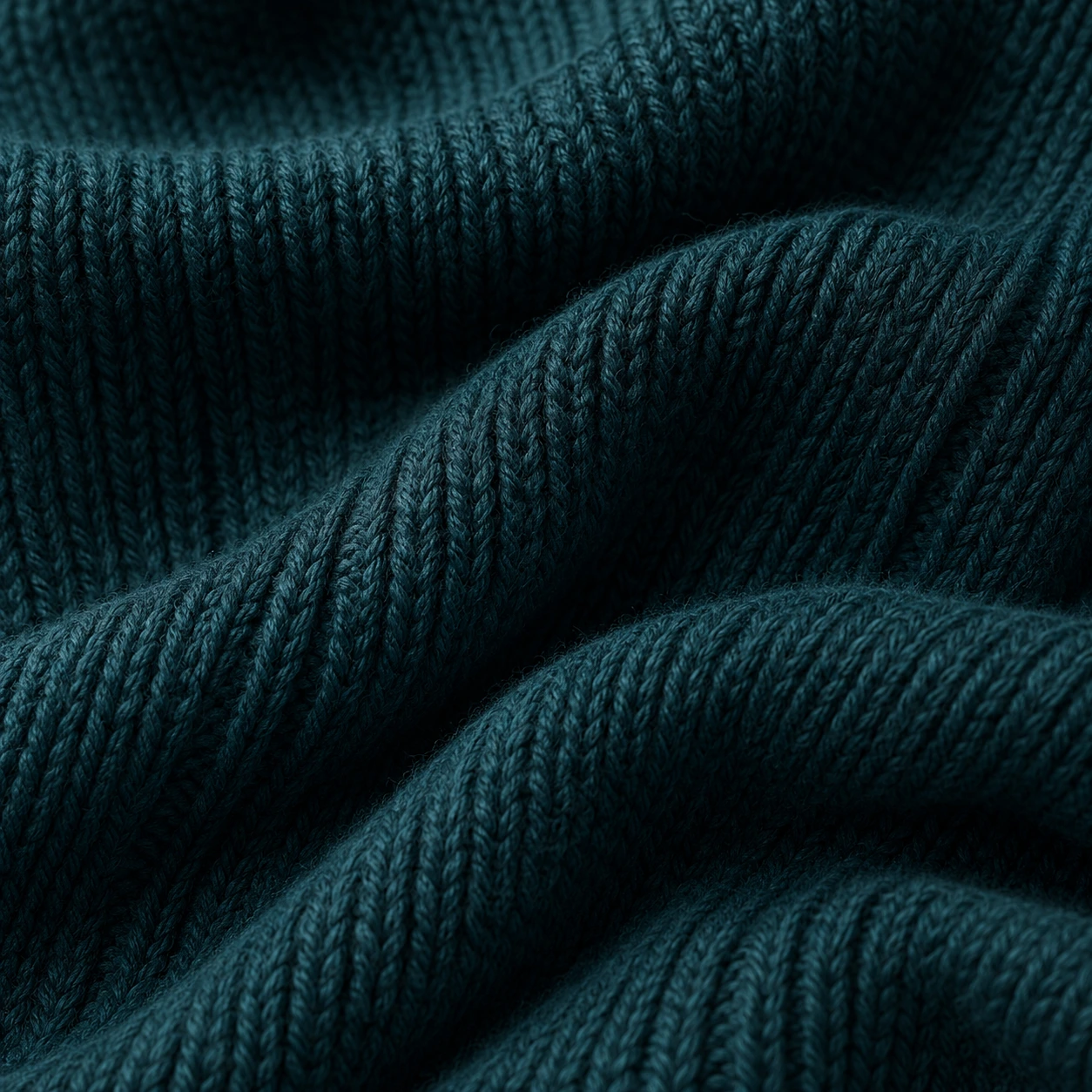
Representative close-up of a knitted textile
The knitted route
Build movement through loops.
Knitting is an alternative fabric-forming route to weaving. Loop structure and yarn choice affect how the sample moves, making stretch and recovery useful discussion points.
Compare stretch direction, recovery and opacity on a physical sample.
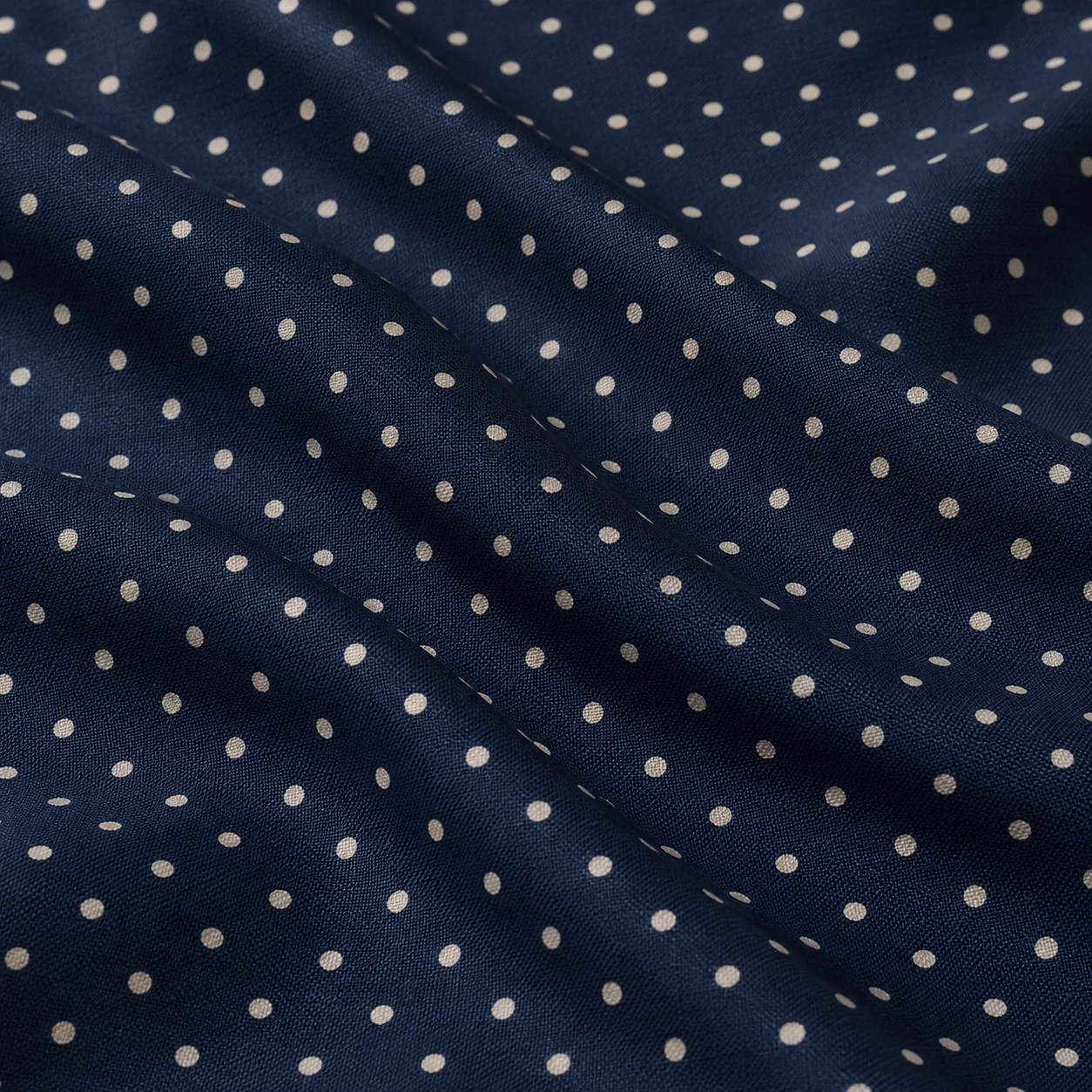
Illustrative colour and pattern detail
Colour development & dyeing
Translate a shade into a sample.
A physical reference makes colour discussions more precise. The dyeing route depends on the fibre and article; yarn-dyed and piece-dyed references appear in the Liontex catalogue.
Agree the colour reference, approval method and acceptable variation.
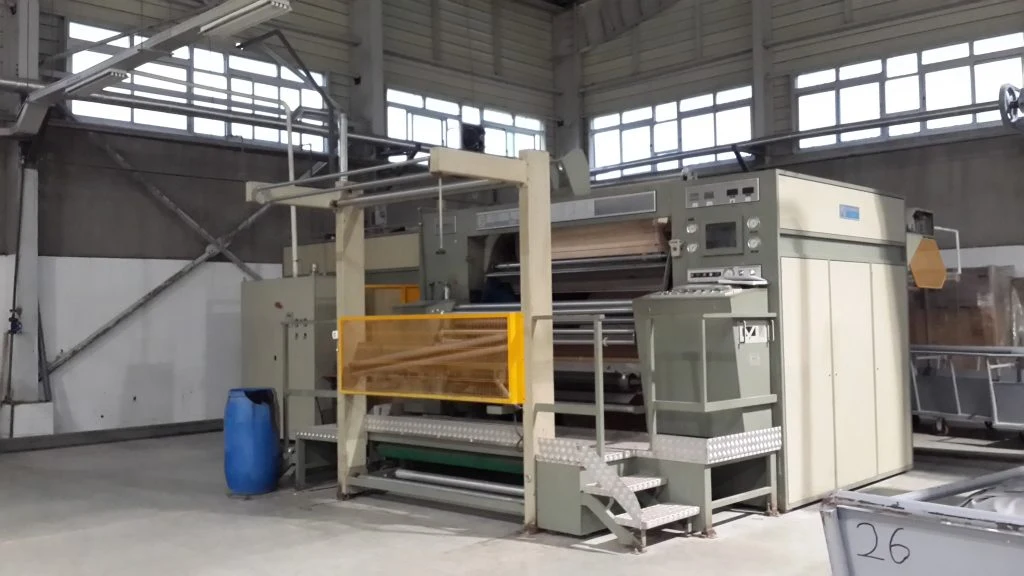
Fabric-handling equipment at Liontex
Finishing
Refine the final expression.
Finishing adjusts the appearance and handle of the fabric. Depending on the article, the finishing brief can cover surface character, width and dimensional behaviour.
Compare the finished sample with the original design brief.
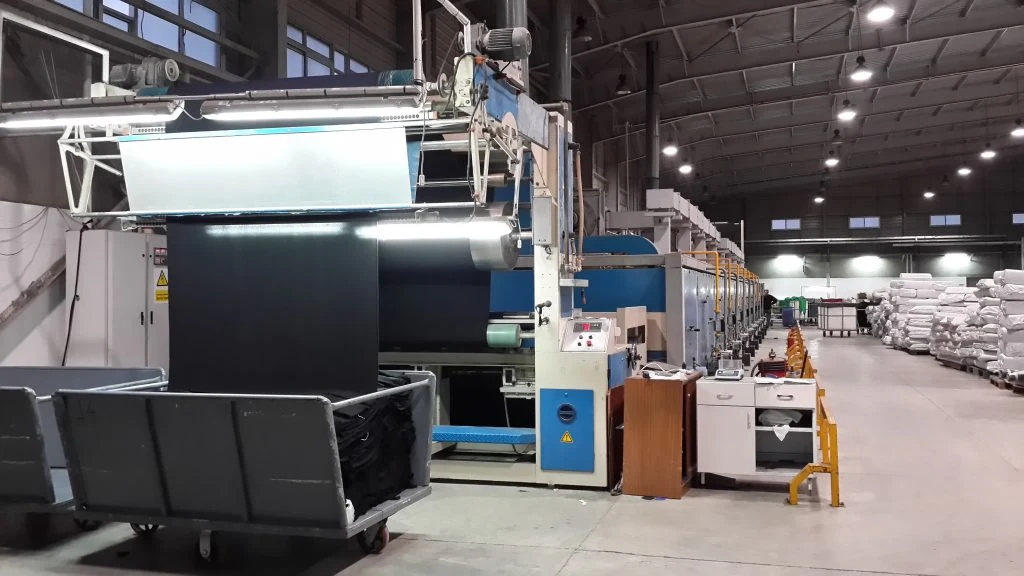
Fabric roll and equipment at Liontex
Inspection & approval
Turn expectations into checks.
A clear acceptance brief helps the buyer and supplier evaluate the same things: visual condition, shade, dimensions and any end-use performance requirements.
Agree test methods and tolerances before confirming the order.
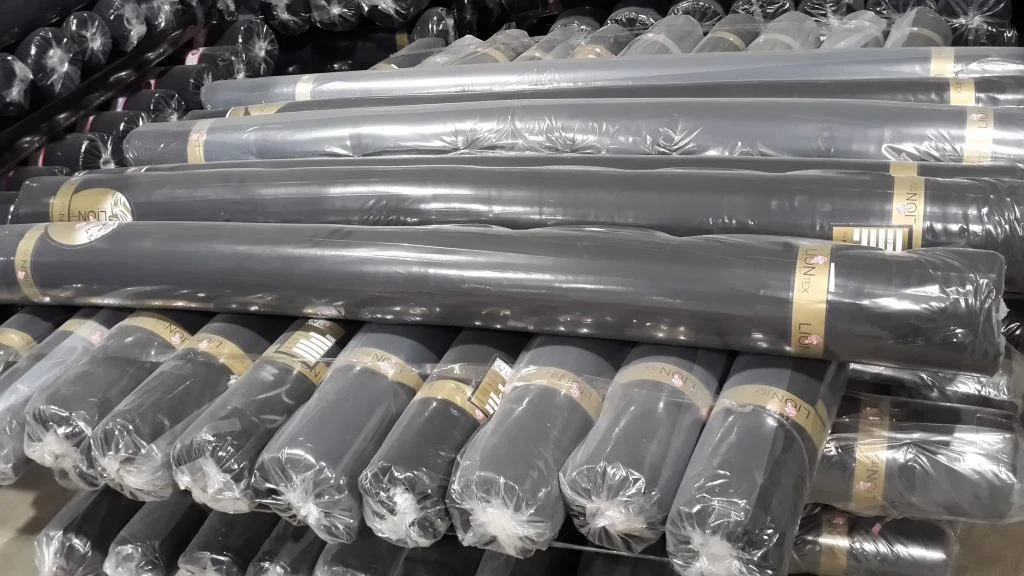
Wrapped fabric rolls in the Liontex factory
Roll preparation & dispatch
Keep the order identifiable.
Roll identification and packing information support receiving, storage and cutting. Confirm article codes, colour or lot references, roll quantities and destination details with the order.
Match the packing list and labels to the agreed purchase details.
See the craft
in motion.
Define your next
fabric brief.
Share your fabric references, intended use and colour direction. Let’s build a clear starting point.